
Shifting Left: Enhancing Security in the CI/CD Pipeline
In today’s fast-paced DevOps environments, security in the CI/CD pipeline can no longer be an afterthought. Integrating security early—an approach known as “shifting left”—is now a best practice to safeguard code, reduce vulnerabilities, and speed up delivery cycles.
What Does “Shift Left” Mean?
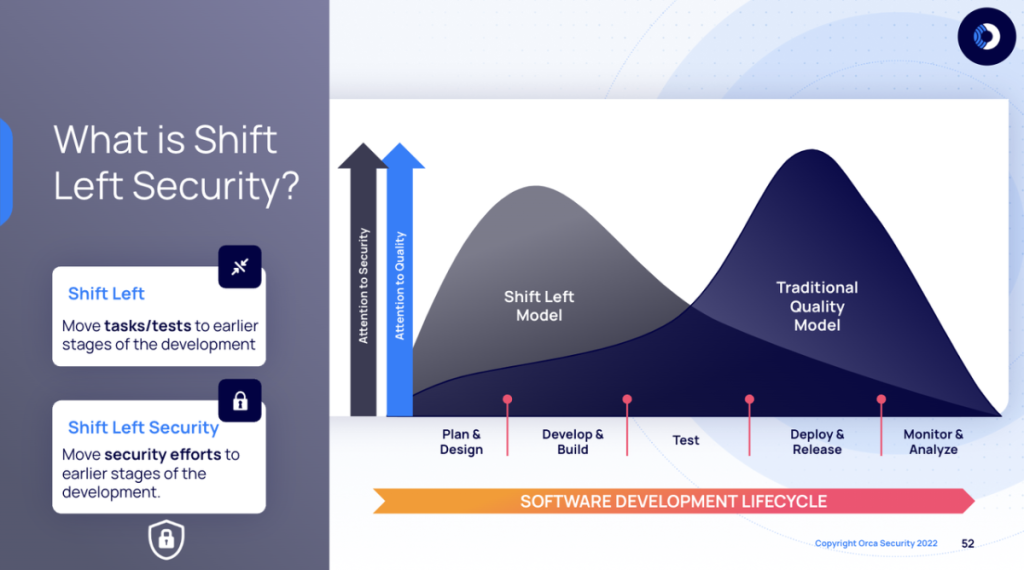
Traditionally, security checks happened late in the software development lifecycle—often just before deployment. This reactive method led to costly fixes, delayed releases, and exposed systems.
“Shifting left” means embedding security much earlier in the CI/CD pipeline—starting from design and development stages. By moving security controls closer to the beginning of the software lifecycle, teams can catch and fix vulnerabilities before they grow into major issues.
Why Is Shifting Left Important in CI/CD?
- Faster Detection and Remediation: Identifying vulnerabilities early minimizes their impact and saves resources.
- Continuous Compliance: Embedding security ensures that each build aligns with compliance standards.
- Reduced Costs: Fixing a security flaw in production can be 100x more expensive than addressing it during development.
- Increased Trust: Secure software builds greater user confidence and brand reliability.
How to Integrate Security in the CI/CD Pipeline
- Automated Security Scans
Incorporate static code analysis, dependency checks, and vulnerability scanning directly into your CI/CD workflow. Automation ensures no code gets deployed without a security review. - Implement Security as Code
Define security policies through code. This ensures consistent, repeatable security configurations across environments. - Continuous Threat Modeling
Don’t just model threats at the beginning of a project. Continuously assess your application’s threat landscape as it evolves. - Secure Secrets Management
Ensure passwords, API keys, and sensitive credentials are stored securely and never hardcoded into the codebase. - Security Training for Developers
Equip your developers with security best practices and ongoing education. Developers are your first line of defense. - Collaborate Across Teams
Security should be a shared responsibility. Foster a DevSecOps culture where developers, operations, and security teams collaborate closely.
Tools That Can Help
- Static Application Security Testing (SAST): Tools like SonarQube, Checkmarx.
- Dynamic Application Security Testing (DAST): Tools like OWASP ZAP, Burp Suite.
- Software Composition Analysis (SCA): Tools like Snyk, WhiteSource.
- Secrets Detection: Tools like GitGuardian, TruffleHog.
Final Thoughts
Building secure applications today requires more than last-minute security patches. Shifting left and integrating security in the CI/CD pipeline ensures that vulnerabilities are addressed proactively, enabling faster, safer, and more reliable software releases.
Invest in tools, training, and culture today—and watch your development process transform into a fortress of innovation and security.